Thinking about bringing home some adorable pet rats? You’re in for a treat! These intelligent, social creatures make absolutely wonderful companions when given proper care. However, many people underestimate what goes into keeping rats happy and healthy. This comprehensive guide will walk you through everything you need to know to become an excellent rat parent.
Creating the Perfect Home: Housing & Environment
Your rats’ living space is their entire world, so making it comfortable, safe, and enriching is crucial. Let’s start with the basics of setting up an ideal rat habitat.
Cage Requirements
- Minimum size: 2 cubic feet per rat (larger is always better)
- Bar spacing: 1/2 inch or less to prevent escapes
- Multiple levels: Rats love to climb and explore vertical space
- Solid flooring: Wire floors can cause bumblefoot; use fleece, paper bedding, or aspen shavings
- Avoid: Cedar or pine shavings (can cause respiratory issues)
Cage Setup
- Hiding spots: Multiple huts, hammocks, or boxes for security
- Water: Heavy ceramic bowl or water bottle (changed daily)
- Food dish: Heavy ceramic bowl that can’t be tipped
- Toys: Rotating selection of safe chew toys, tunnels, and climbing structures
- Litter box: Small corner box with paper-based litter
Environmental Needs
- Temperature: 65-75°F (18-24°C)
- Humidity: 40-70%
- Location: Away from direct sunlight, drafts, and loud noises
- Ventilation: Good air circulation without being breezy
Feeding Your Furry Friends: Diet & Nutrition
Good nutrition is the foundation of rat health, but it’s not as simple as just filling a bowl with pellets. Rats are omnivores with specific dietary needs that, when met properly, will keep them energetic and healthy throughout their lives.
Basic Diet
- High-quality rat pellets: 80% of diet (look for 14-18% protein, 4-5% fat)
- Amount: 15-20g per day per adult rat
- Fresh water: Available at all times
Fresh Foods (Daily)
- Vegetables: Dark leafy greens, broccoli, carrots, bell peppers
- Fruits: Small amounts of apple, banana, berries (treats only)
- Grains: Small amounts of cooked pasta, rice, or whole grain cereals
Foods to Avoid
- Toxic: Chocolate, caffeine, onions, garlic, citrus (males), raw beans
- High sugar/fat: Candy, processed foods, excessive nuts
- Choking hazards: Sticky foods like peanut butter
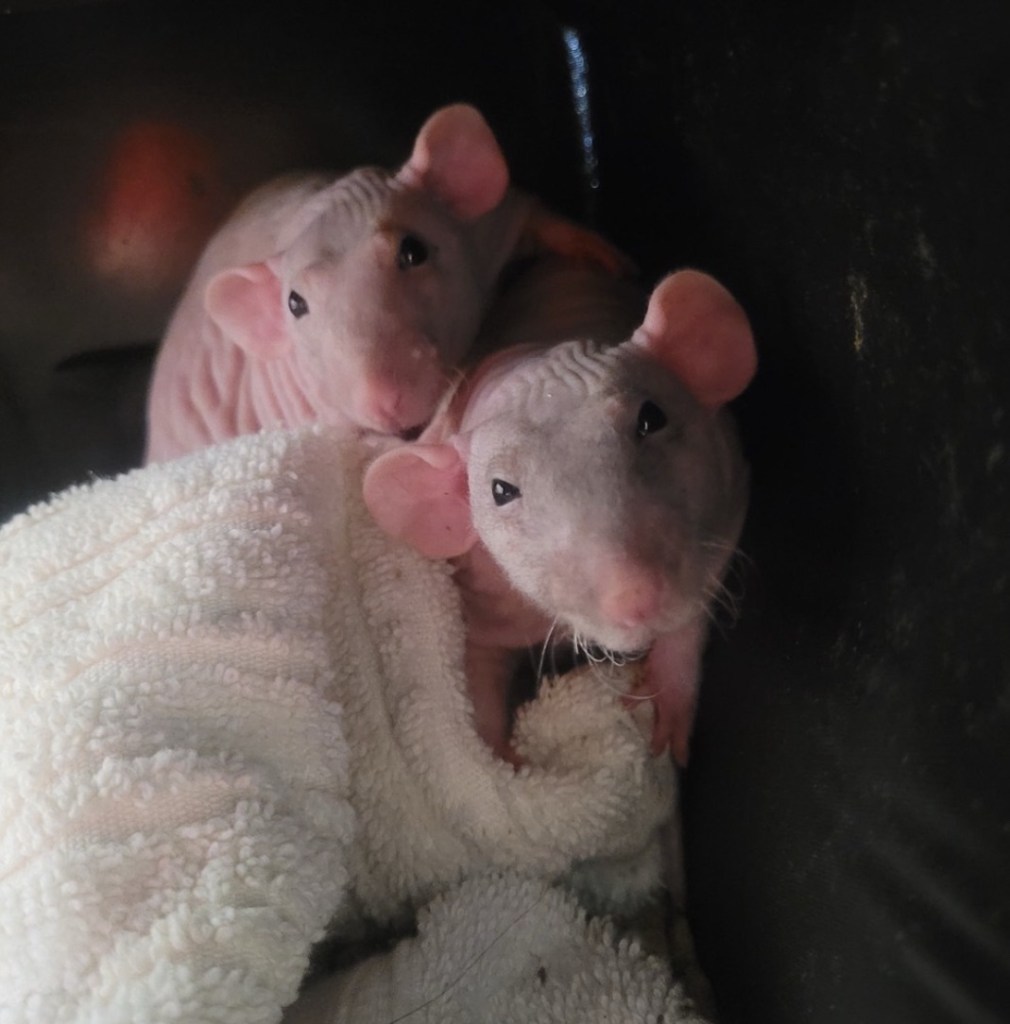
The Heart of Rat Care: Social Needs
Here’s something many first-time rat owners don’t realize: rats are incredibly social animals. In fact, keeping a single rat alone is considered inhumane in many countries. These little creatures thrive on companionship and interaction, both with their own kind and with their human families.
Companionship
- Never keep alone: Rats are highly social and need rat companions
- Minimum: 2 rats (preferably same-sex pairs or groups)
- Introduction: Gradual introduction process for new rats
Human Interaction
- Daily handling: At least 1-2 hours of interaction
- Socialization: Gentle, consistent handling from a young age
- Playtime: Supervised out-of-cage time in rat-proofed areas
Keeping Your Rats Healthy: Health & Veterinary Care
One of the biggest challenges of rat ownership is that many veterinarians aren’t experienced with these small pets. However, establishing proper veterinary care is essential, as rats can develop health issues that require professional treatment.
Finding a Vet
- Exotic vet: Find a veterinarian experienced with small animals/rats
- Emergency contacts: Know your nearest emergency exotic vet
Common Health Issues
- Respiratory infections: Sneezing, wheezing, discharge (common, treatable)
- Tumors: Especially in females (may require surgery)
- Mites: Scratching, scabs (treatable with medication)
- Dental issues: Overgrown teeth, difficulty eating
Signs to Watch For
- Immediate vet attention: Difficulty breathing, lethargy, loss of appetite, unusual lumps
- Monitor closely: Changes in eating, drinking, urination, or behavior
Preventive Care
- Regular health checks: Weekly weight monitoring and physical examination
- Clean environment: Regular cage cleaning and fresh food/water
- Quarantine: New rats should be quarantined for 2-3 weeks
Building Healthy Habits: Daily Care Routine
Consistency is key when caring for rats. Establishing a daily routine not only keeps your pets healthy but also helps you bond with them and notice any changes in their behavior or health early on.
Daily Tasks
- Feed: Provide fresh pellets and vegetables
- Water: Check and refill water
- Health check: Quick visual assessment during feeding
- Interaction: Handle and play with your rats
- Spot clean: Remove soiled bedding and uneaten fresh food
Weekly Tasks
- Deep clean: Full cage cleaning with safe disinfectant
- Weight check: Monitor for sudden changes
- Toy rotation: Provide new enrichment items
Monthly Tasks
- Nail trim: If nails become overgrown
- Deep toy cleaning: Sanitize all cage accessories
- Health assessment: More thorough physical examination
Keeping Brilliant Minds Busy: Enrichment & Mental Stimulation
Rats are surprisingly intelligent animals – they can learn their names, come when called, and even perform complex tricks! This intelligence means they need mental stimulation to prevent boredom and behavioral problems. A bored rat is often a destructive or depressed rat.
Physical Enrichment
- Climbing: Ropes, branches, multi-level cages
- Hiding: Cardboard boxes, PVC tubes, fabric hammocks
- Foraging: Hide food in different locations or puzzle feeders
Mental Stimulation
- Training: Rats can learn tricks and their names
- Puzzle toys: Food-dispensing toys and treat balls
- Exploration: Regular supervised free-roam time
- Social play: Interaction with cage mates and humans
Understanding the Rat Journey: Lifespan & Life Stages
While rats don’t live as long as cats or dogs, their shorter lifespan means you’ll witness their entire life journey. Understanding what to expect at each stage helps you provide age-appropriate care and make the most of your time together.
Average Lifespan
- Typical: 2-3 years
- Factors: Genetics, diet, care quality, veterinary care
Life Stages
- Baby (0-6 weeks): Nursing, weaning, early socialization
- Juvenile (6 weeks-4 months): Rapid growth, high energy
- Adult (4 months-18 months): Prime health and activity
- Senior (18+ months): May need adjusted diet and veterinary monitoring
Ready to Begin? Getting Started Checklist
Before you fall in love with those adorable faces at the pet store or breeder, make sure you’re fully prepared. Proper preparation ensures your new pets will transition smoothly into their forever home.
Before Getting Rats
- Research and find an exotic veterinarian
- Set up appropriate cage with all accessories
- Purchase high-quality food and initial supplies
- Rat-proof a room for supervised playtime
- Plan for at least 2 rats (never just one)
Initial Supplies Needed
- Large, multi-level cage
- Bedding (fleece or paper-based)
- Food and water containers
- High-quality rat pellets
- Hiding spots and enrichment items
- Cleaning supplies
- Small pet carrier for vet visits
Final Thoughts: Your Journey as a Rat Parent
Rats are intelligent, affectionate pets that form strong bonds with their owners. They require daily attention, social interaction, and proper veterinary care, but the rewards are immense. These little creatures will greet you with excitement, learn to recognize your voice, and even show empathy when you’re feeling down.
The key to successful rat ownership is understanding their social nature, providing proper nutrition, maintaining a clean environment, and establishing a relationship with an experienced exotic veterinarian. While they may only be with you for 2-3 years, the joy and companionship they provide make every day worthwhile.
Remember, you’re not just getting pets – you’re welcoming new family members who will bring laughter, love, and endless entertainment into your life. With the knowledge from this guide and a commitment to proper care, you’re well on your way to becoming an excellent rat parent!
 Smol Beans Rat Rescue